

Cow in the City
Cow in City XX
₹1,20,000
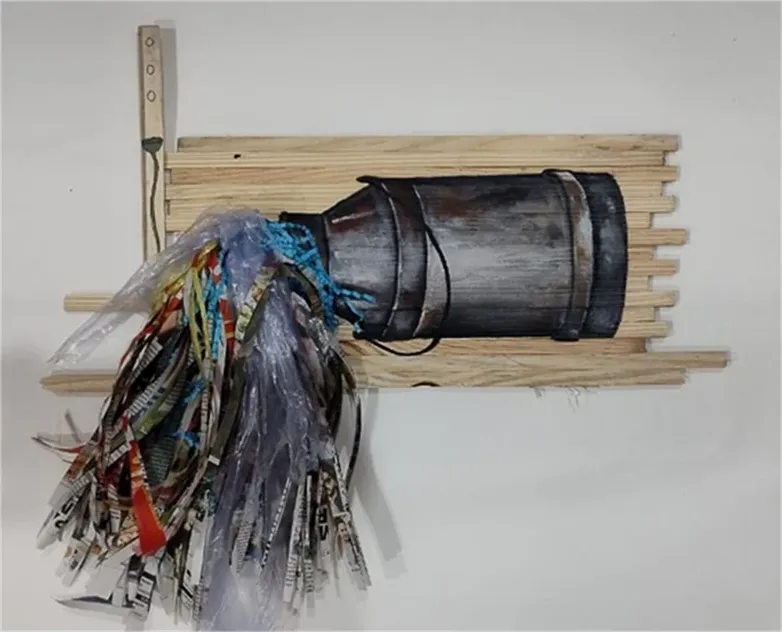
Cow in City is a mixed-media painting artwork that reimagines a traditional milk can spilling not milk, but waste materials such as plastic and newspaper, drawing attention to the adulteration of purity and the polluted realities of urban life.
Interested in this piece?
Chat on WhatsAppOr reach us directly at +91 79824 33408
Home visit available
Select artworks can be viewed at your home before you decide. A visit is ₹1,000 per artwork, fully adjusted against the purchase if you go ahead. See how it works.
Ask about a home visit for this pieceOr leave us a question about this piece
- Category
- Painting
- Subcategory
- Acrylic on wood, paper pasting
- Year
- 2025
- Dimensions
- 15 × 18 in
- Place
- Delhi
- Certificate no.
- MS-Cow in City XX-2025
Color palette
- Gray (76%)
- Other (11%)
- White (8%)
- Black (4%)
- Teal (1%)
- Red (1%)
Exact tones detected
Light GrayLight GrayWhiteLight GrayDark Gray
Description
In this evocative artwork titled Cow in City, the artist uses mixed media to challenge the romanticized image of the sacred cow and its traditional associations with nourishment, purity, and rural life. At the center of the composition is a meticulously painted metal milk can, placed horizontally on a backdrop of interlocked wooden slats—each piece intentionally uneven and imperfect, perhaps reflecting the fragmented and disjointed nature of modern urban living.
However, instead of milk flowing from the can, we see an eruption of shredded plastic and newspaper strips, mimicking the visual appearance of milk but replacing it with urban waste. This disturbing substitution speaks volumes it reflects the pollution of not just the environment but of cultural values and traditional systems that once upheld reverence for cows and the ecosystem they supported.
This work serves as a bold commentary on the commercialization of dairy, environmental degradation, and the disconnect between urban consumption and rural origins. The artwork critiques how even sacred and life-giving resources have become contaminated by the byproducts of urban excess. It also implies that what we consume today may be more synthetic than we care to admit.
Technique Highlight
This mixed-media assemblage fractures traditional boundaries, merging jagged wood constructions with hyperrealistic painted milk cans and collaged plastics that spill like toxic waste. The uneven wooden base—rough and splintered—mimics the instability of ecosystems under industrial pressure, while the acrylic glistens with deceptive purity. Clinging to it, discarded plastics and newspaper shreds masquerade as "milk," their crinkled textures forcing viewers to confront the literal pollution seeping into sustenance. By oscillating between painting and sculpture, the work demands physical circumnavigation—each angle reveals new grotesqueries, from the wood’s splintered protests to the plastic’s sickly sheen. This isn’t representation; it’s a material indictment, where every medium embodies the violence of production and waste.
Historical Context
India, while culturally revering cows as sacred, faces a growing contradiction due to urbanization and industrial food systems. Milk, once symbolic of purity and direct sustenance, has now become a packaged product, often adulterated or disconnected from its origins. This piece reflects post-liberalization India's transformation, where rural traditions are often absorbed, distorted, or displaced by consumer culture. The presence of plastic in place of milk nods to the plastic crisis and environmental degradation that now affects even the most basic of resources. The piece fits into a broader contemporary ecological art movement, which combines traditional symbolism with urgent commentary on sustainability and loss.
Color Analysis
The milk can, rendered in weathered greys and tarnished silvers, evokes the muted dignity of traditional labor.Against this earthy solemnity, garish bursts of neon from shredded plastic and newsprint scream into the composition, their synthetic pinks and yellows slashing like graffiti across a temple wall. These violent hues drag the pastoral into the age of hyper-consumption, where even nourishment comes branded and bleached. Beneath it all, the raw wooden base stands stubbornly unvarnished, its grain and knots a fading testament to nature’s resilience—a stage for the silent war between memory and modernity.
- The muted, natural tones of the milk can (greys, silvers, and blacks) offer a nostalgic feel of traditional tools.
- In contrast, the bright colors from newspaper inks and plastic packaging clash against this rustic palette, suggesting the invasion of consumerism and artificiality into once-sacred spaces.
- The wooden base retains its organic color and texture, grounding the piece in nature and tradition, which is being eroded.
Symbolism
The milk can once an emblem of sustenance and honest labor—now stands hollowed, its metallic sheen dulled by exploitation. No longer a vessel of purity, it bleeds plastic shreds and fractured newsprint, a grotesque parody of nourishment where headlines and polymers masquerade as milk. Beneath this deception, the wooden slats strain under the weight their splintered planks evoke crumbling barns and fractured fences, the very bones of agrarian life buckling under industrial demands. The mixed-media approach is the message—each material contaminates another, mirroring our hybrid reality where purity is obsolete. Plastic invades wood, ink poisons metal, and nothing escapes the tangle of artificiality. This isn’t just art; it’s a material elegy for what we’ve defiled.
- Milk Can: Traditionally associated with nourishment, life, and purity; here, it’s a symbol of lost innocence and commercial compromise.
- Plastic and Newspaper “Milk”: Represents contamination, fake nourishment, and the growing dominance of waste in our ecosystems.
- Wooden Slats: Could represent rural construction, fences, or collapsing structures of tradition—literally forming the base, yet showing signs of instability.
- Mixed Media Itself: Symbolizes hybrid reality—where nothing is pure anymore, and everything is interwoven with waste, media, and artificiality.
Technique
This mixed-media assemblage fractures traditional boundaries, merging jagged wood constructions with hyperrealistic painted milk cans and collaged plastics that spill like toxic waste. The uneven wooden base—rough and splintered—mimics the instability of ecosystems under industrial pressure, while the acrylic glistens with deceptive purity. Clinging to it, discarded plastics and newspaper shreds masquerade as "milk," their crinkled textures forcing viewers to confront the literal pollution seeping into sustenance. By oscillating between painting and sculpture, the work demands physical circumnavigation—each angle reveals new grotesqueries, from the wood’s splintered protests to the plastic’s sickly sheen. This isn’t representation; it’s a material indictment, where every medium embodies the violence of production and waste.
Historical context
India, while culturally revering cows as sacred, faces a growing contradiction due to urbanization and industrial food systems. Milk, once symbolic of purity and direct sustenance, has now become a packaged product, often adulterated or disconnected from its origins. This piece reflects post-liberalization India's transformation, where rural traditions are often absorbed, distorted, or displaced by consumer culture. The presence of plastic in place of milk nods to the plastic crisis and environmental degradation that now affects even the most basic of resources. The piece fits into a broader contemporary ecological art movement, which combines traditional symbolism with urgent commentary on sustainability and loss.
Symbolism
The milk can once an emblem of sustenance and honest labor—now stands hollowed, its metallic sheen dulled by exploitation. No longer a vessel of purity, it bleeds plastic shreds and fractured newsprint, a grotesque parody of nourishment where headlines and polymers masquerade as milk. Beneath this deception, the wooden slats strain under the weight their splintered planks evoke crumbling barns and fractured fences, the very bones of agrarian life buckling under industrial demands. The mixed-media approach is the message—each material contaminates another, mirroring our hybrid reality where purity is obsolete. Plastic invades wood, ink poisons metal, and nothing escapes the tangle of artificiality. This isn’t just art; it’s a material elegy for what we’ve defiled.
Catalogued May 19, 2025
From the same artist
More by Madhusudhan Sharma


Keep exploring
Related artworks


